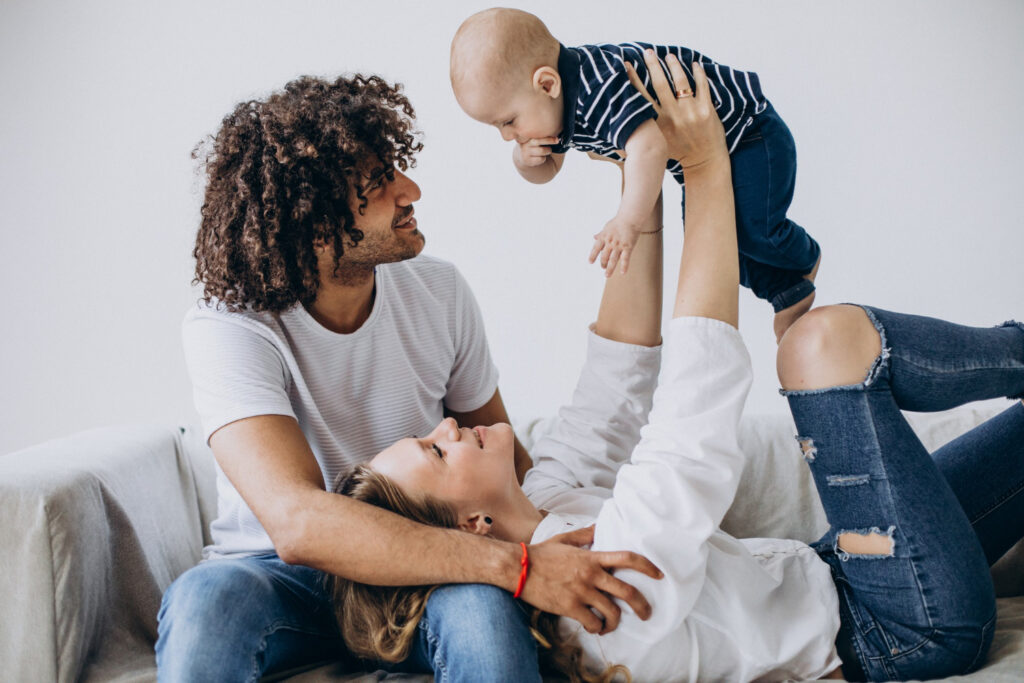
Adoption starts a new chapter for a child, a parent, and often the extended family. For many people, it is the point when hope becomes a lasting home. The adoption process in Florida can bring questions and worry but it can also bring joy. Florida adoption laws set rules that protect children, birth parents, and adoptive parents. An experienced adoption attorney can help you understand those rules and move ahead with confidence.
At Adriane M. Isenberg, P.A., adoption is an important part of the firm’s family law work. Attorney Adriane Isenberg has deep experience with adoption cases and values helping children find lasting homes.
Based in Gainesville, Attorney Isenberg serves families across North Central Florida, including Alachua, Gilchrist, Levy, Baker, Bradford, Union, Marion, Clay, Putnam, and Columbia Counties.
Understanding Adoption in Florida
Florida adoption law is mainly in Chapter 63 of the Florida Statutes. It covers consent, ending parental rights, adoption petitions, home studies, hearings, and final orders.
Florida law focuses on permanency and the best interests of the child. For families, that means adoption is more than paperwork. Each legal step must be done correctly before the court can create a permanent parent-child bond.
The adoption process in Florida can also change based on the type of case. A stepparent adoption may follow a different path than a private adoption or a foster parent adoption after parental rights have ended.
An adoption lawyer can help you find the rules that apply to your family and avoid delays or legal trouble.
Who Can Adopt a Child in Florida?
Families come in many forms, and so do adoptive families. According to the Florida Department of Children and Families, prospective adoptive parents may be married or single. They may already have children or none. They may rent or own a home. Finances are reviewed, but there is no single type of family that can adopt. Florida law also allows adult adoption in the right cases.
Prospective adoptive families may include:
- Married couples who want to grow their family
- Single adults who want to become parents
- Stepparents who already have a bond with a child
- Grandparents and other relatives caring for a child
- Foster parents who want a permanent home
- Families seeking a private adoption
What matters is meeting the legal requirements for the adoption and building a safe, stable family bond. If you are wondering how to adopt a child in Florida, talk with an adoption lawyer early. That can help you choose the right type of adoption and the next steps.
What Types of Adoption Does Attorney Adriane M. Isenberg Handle?
No two families come to adoption in the same way. Adriane M. Isenberg’s adoption practice helps families with several types of adoption matters, including:
- Private adoption involving birth parents and prospective adoptive families
- Stepparent adoption to make an existing parent-child bond legal
- Grandparent and relative adoption when family members provide a permanent home
- Dependency-related adoption after parental rights end
- Adult adoption when adults want to create a parent-child relationship legally
The legal rules vary based on the type of adoption and the family’s situation.
Private Adoption
A private adoption may involve a birth parent placing a child with an adoptive family.
These cases need close attention to Florida rules on consent, parental rights, placement, expenses, and court steps. Attorney Isenberg’s firm has experience helping prospective adoptive parents and birth parents who are looking for adoptive families for their children.
Private adoption can be an emotional process for everyone involved. Birth parents may be making a very hard choice, while prospective parents may have spent years hoping to grow their family. Compassion and clear legal guidance matter throughout the process.
Stepparent Adoption
A stepparent adoption can make an already close parent-child bond legal. A stepparent may have helped with homework, attended school events, celebrated birthdays, cared for a child during illness, and provided emotional and financial support for years. Adoption can turn that bond into a legally recognized parent-child relationship.
Attorney Isenberg’s firm completes many stepparent adoptions and can help families find out what must happen with the other biological parent’s rights and consent. For many families, the final adoption hearing is not the start of their bond. It legally recognizes a family that already exists.
Relative and Grandparent Adoption
Sometimes grandparents or other relatives step in when a child’s parents cannot provide a stable home. These situations may arise because of family hardship, dependency cases, parental absence, or other serious challenges. Whatever brought the family to that point, relative adoption may offer a child something vital: permanence.
Attorney Isenberg handles grandparent and other relative adoptions for children who need permanent homes with family members.
Adult Adoption
Florida law also allows adult adoption in some cases. This can help adults make a long-standing parent-child bond legal or formalize a close family relationship. Adult adoption may be used when the people involved already have a strong bond and want that bond recognized by law. An adoption lawyer can explain whether it fits your goals and what steps the court may require.
Adoption Through the Child Welfare System
Some children can be adopted after dependency proceedings end their biological parents’ rights.
This is an area where Attorney Isenberg brings especially useful experience.
Before private practice, she worked with the State of Florida Guardian Ad Litem Program from 1996 through 1998. There, she represented children in abuse and neglect cases. She has stayed involved in dependency law throughout her career and has helped many adoptive parents finish cases that began in dependency court.
What Does the Adoption Process Look Like?
The exact adoption process depends on the type of adoption and the family’s situation. A Florida adoption may include:
- Checking whether the child can be adopted
- Getting the needed parental consent
- Addressing termination of parental rights when required
- Completing background checks or a home study when needed
- Preparing and filing the adoption petition
- Completing required disclosures and paperwork
- Attending a final adoption hearing
For families adopting through Florida’s child welfare system, the process can also include orientation, training, matching, placement, and supervision before the final order.
Not every adoption needs the same steps. Stepparent, relative, adult, private, and dependency-related adoptions can each have different rules.
That is one reason an experienced adoption attorney can help. Your attorney can explain the steps that fit your case instead of leaving you to handle a hard legal process alone.
Why Work with an Experienced Adoption Lawyer?
Adoption is joyful, but the legal process can become complex when questions arise about biological parents, consent, parental rights, prior court cases, or other issues.
An experienced adoption lawyer can help families:
- Understand which Florida adoption laws apply to their situation
- Prepare and file the needed legal documents
- Address consent and parental-rights issues
- Handle court steps and filing rules
- Spot legal problems before they cause delays
- Prepare for the final adoption hearing
Experience in children and family law can be very helpful. Attorney Adriane M. Isenberg founded Adriane M. Isenberg, P.A. in 2006 and has practiced only family law since then. Her experience includes adoption, dependency matters, divorce, paternity, child support, parenting plans, guardianships, domestic violence matters, and other issues affecting Florida families.
That broad family law background can help when an adoption overlaps with other child, parent-rights, or guardianship issues.
Adoption Is About Permanency
Behind the petitions, consents, investigations, and hearings is something more personal: a family.
Florida’s adoption laws recognize the value of giving children stable and permanent homes. That sense of permanency can be especially meaningful for children who have faced uncertainty or changes in caregivers.
For different families, adoption may mean:
- Giving a child the security of a permanent home
- Making a stepparent’s role legal
- Letting grandparents or relatives provide long-term stability
- Creating lasting legal rights and duties between parent and child
- Giving a family the chance to begin its next chapter together
For adoptive parents, the final order can mean knowing that the child they already love is legally and permanently part of their family. For a stepparent, it may mean the law finally recognizes the parental role they have filled for years. For grandparents and relatives, adoption may give a child the security needed to move forward.
Every family’s story is different. The goal is to make sure the legal foundation for that next chapter is secure.
Frequently Asked Questions About Adoption in Florida
How do I adopt a child in Florida?
The steps depend on the type of adoption. The process may include checking whether the child qualifies for adoption, completing a home study or background checks when required, addressing biological parents’ rights, getting needed consents, filing an adoption petition, and attending a final hearing. An adoption attorney can decide which rules apply to your situation.
How long does the adoption process take in Florida?
There is no single timeline for every adoption. The length of the process can depend on the type of adoption, whether parental consent is required, whether parental rights must be ended, and whether a home study or other review is needed.
Do I need an adoption lawyer in Florida?
Because adoption creates a permanent legal parent-child relationship and involves state rules, legal guidance can be very helpful. An adoption lawyer can help make sure consents, parental-rights issues, filings, notices, and court steps are handled correctly.
Can a stepparent adopt a stepchild in Florida?
Yes. Stepparent adoption is recognized under Florida law. However, the rights of the child’s other biological parent generally must be addressed before the adoption can be final. The exact rules depend on the family’s situation.
Can a single person adopt in Florida?
Yes. Florida allows unmarried adults to adopt if they meet the legal requirements. Prospective adoptive parents do not have to be married to provide a loving and permanent home.
Can grandparents adopt their grandchildren in Florida?
Grandparent and other relative adoptions are possible in Florida. These cases may arise when relatives are already caring for a child and want to create a permanent legal parent-child relationship. Because parental rights and prior court cases may affect the case, families should get legal advice about their own situation.
Start Your Journey Toward Your Forever Family
The decision to adopt can start with hope, but reaching a final order takes careful attention to Florida law. You should not have to take that journey without experienced guidance.
At Adriane M. Isenberg, P.A., adoption is more than just another part of family law. Attorney Isenberg has spent decades helping Florida families and children, from her early work representing children’s best interests in abuse and neglect cases to her experience helping families complete adoptions.
Whether you are thinking about a private adoption, adopting a stepchild, providing a permanent home for a grandchild or another relative, or adopting a child through the dependency system, Attorney Adriane M. Isenberg can help you understand the legal process and move forward with confidence.
Located in Gainesville and serving families throughout North Central Florida, Adriane M. Isenberg, P.A. is ready to help you take the next step toward making your forever family legally complete.
Contact Adriane M. Isenberg, P.A. today at (352) 331-4922 to discuss adoption and learn how an experienced adoption lawyer can guide you through this meaningful journey.